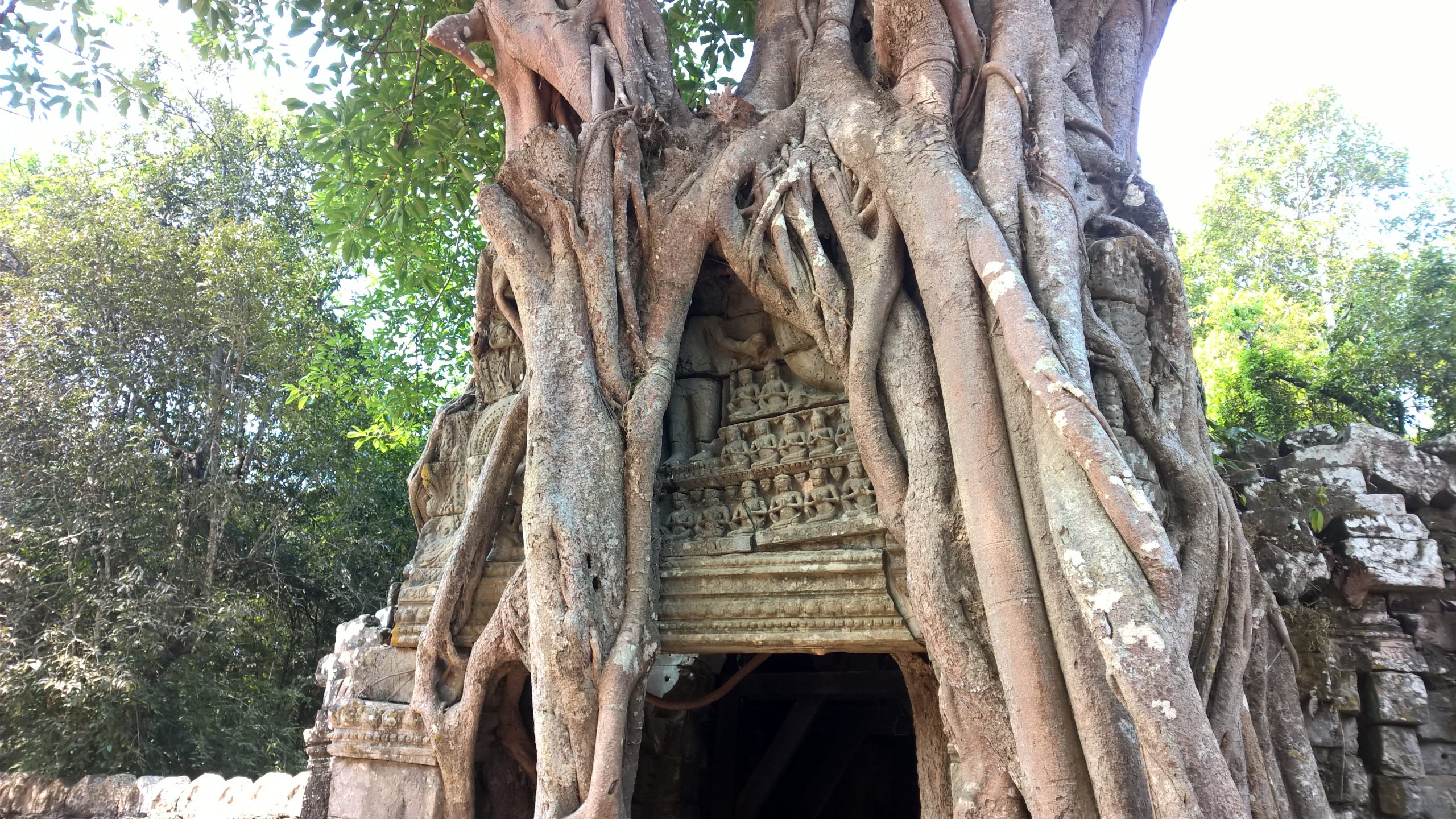
At Planetary Ways, we work with cultural heritage as a living archive of meanings—images, objects, places, and stories that connect across time. Planetary Ways is an independent practice led by Jacobus Bracker. We approach visual narratives in ancient and contemporary media as semiotic, associative sources: they invite interpretation, disagreement, and discovery. We explore ecofiction and other narrative forms that rehearse alternative relationships between humans, more-than-human life, and the worlds we build and inhabit together.
In our teaching and collaborations—through courses, workshops, and curriculum development for higher education and other institutions—we bring these materials into dialogue with the Anthropocene: its deep roots, contested histories, politics of representation, and present injustices. We aim to open spaces for critical discussion that lead to future-making—imagining and practicing more ecological and socially just ways of living. By learning with ancient and traditional knowledge—critically and contextually—we show that alternatives have always existed and can inform more just ecological futures.
Ultimately, we strengthen the capacity to see differently—and to act differently by cultivating Anthropocene literacy, ethical imagination, and collective future-making.
Founder & Lead Facilitator
I’m Jacobus Bracker, an archaeologist and interdisciplinary educator working at the intersection of visual culture, narrative, and cultural heritage in the context of ecological transformation. I hold an M.A. from the University of Hamburg, where I also worked as a research associate, researching the visual cultures and narrative formations of Ancient Greece and their afterlives as cultural resources for meaning-making in the present.
Alongside my work in archaeology, I bring experience from environmental humanities teaching as a lecturer at the Hamburg University of Technology (TU Hamburg), and from science management, where I support the mainstreaming of Education for Sustainable Development (ESD) in higher education contexts. My training also includes qualification in law, which has shaped my attention to ethics and responsibility.
My ESD and sustainability education background includes courses with Earth Charter International (ESD, Global Citizenship and Transformative Learning; Business and Ethical Leadership for Sustainability) and a qualification as a certified ESD Educator. I’m also a graduate of the UNITAR/UNESCO Certificate Programme “Leaders in Higher Education Alliance and Programme – For Accelerating Sustainability Transformations.”
What this means in practice: I design and facilitate learning spaces for the (post-)Anthropocene that treat images and heritage not as static “past,” but as prompts for critical interpretation—opening associative pathways to discuss the Anthropocene and to rehearse more just ecological futures.
Working languages: English and German.